The future is not built by delegation, nor through orderly succession.
It is built through conflict and dialogue, knowing that no choice is neutral,
but not all choices are equivalent.
Why This Project
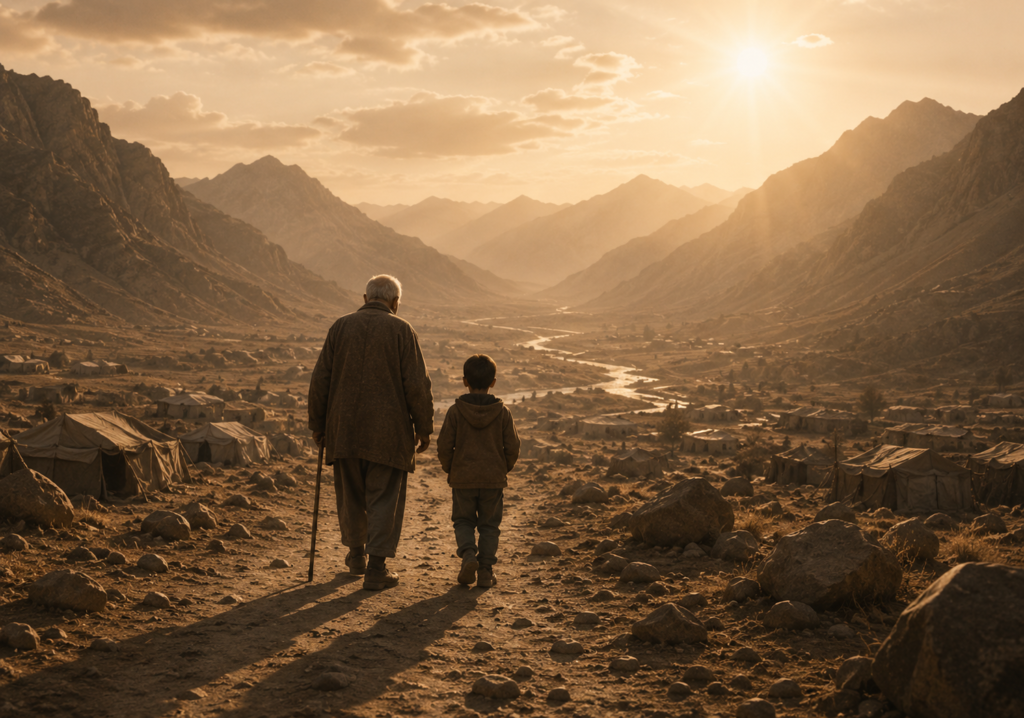
Good intentions are not enough.
Many books explain how the humanitarian system works.
Others recount major crises or present operational tools.
This project grows out of a different kind of experience. It is grounded in the conviction
that the hardest part of humanitarian work
is not knowing the principles, but continuing to make responsible decisions
when those principles come into tension with reality.
For this reason, Humanitarian Compass offers no recipes.
It invites us to look more carefully before deciding.
And to take responsibility for the decisions we make.
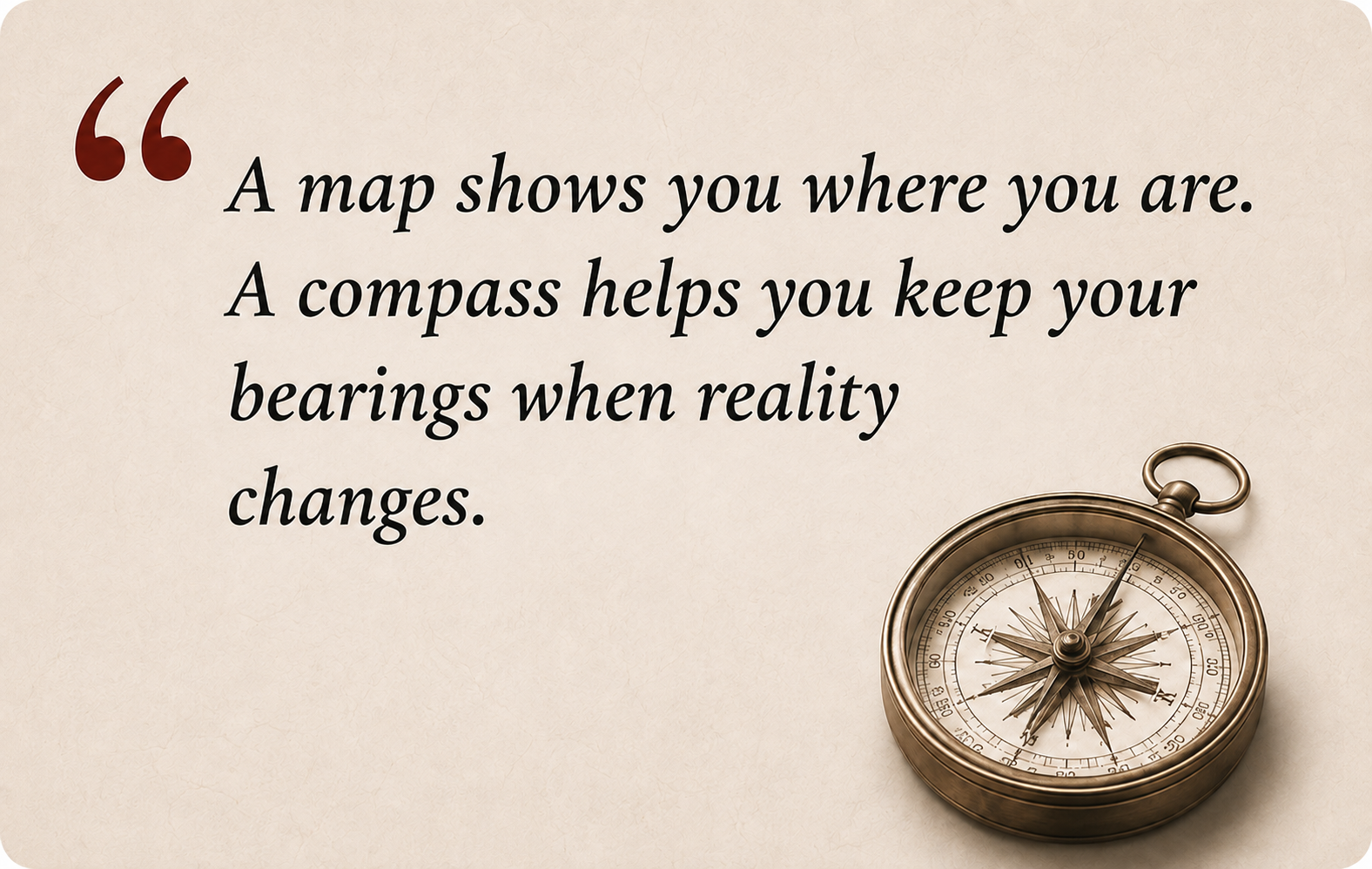
A map describes the terrain.
A compass does not tell you which path to take.
It helps you maintain a sense of direction when the landscape changes.
Contemporary humanitarian action increasingly resembles a territory that has not yet been mapped.
Protracted conflicts, climate crises, an ever-growing number of actors,
fragmented political systems and technological change make each context different from the one before it.
For this reason, the project does not seek to offer models to be applied.
It seeks to develop the capacity to navigate.
How the Compass Is Built
The Book
Beyond the Chapters
Field Notes
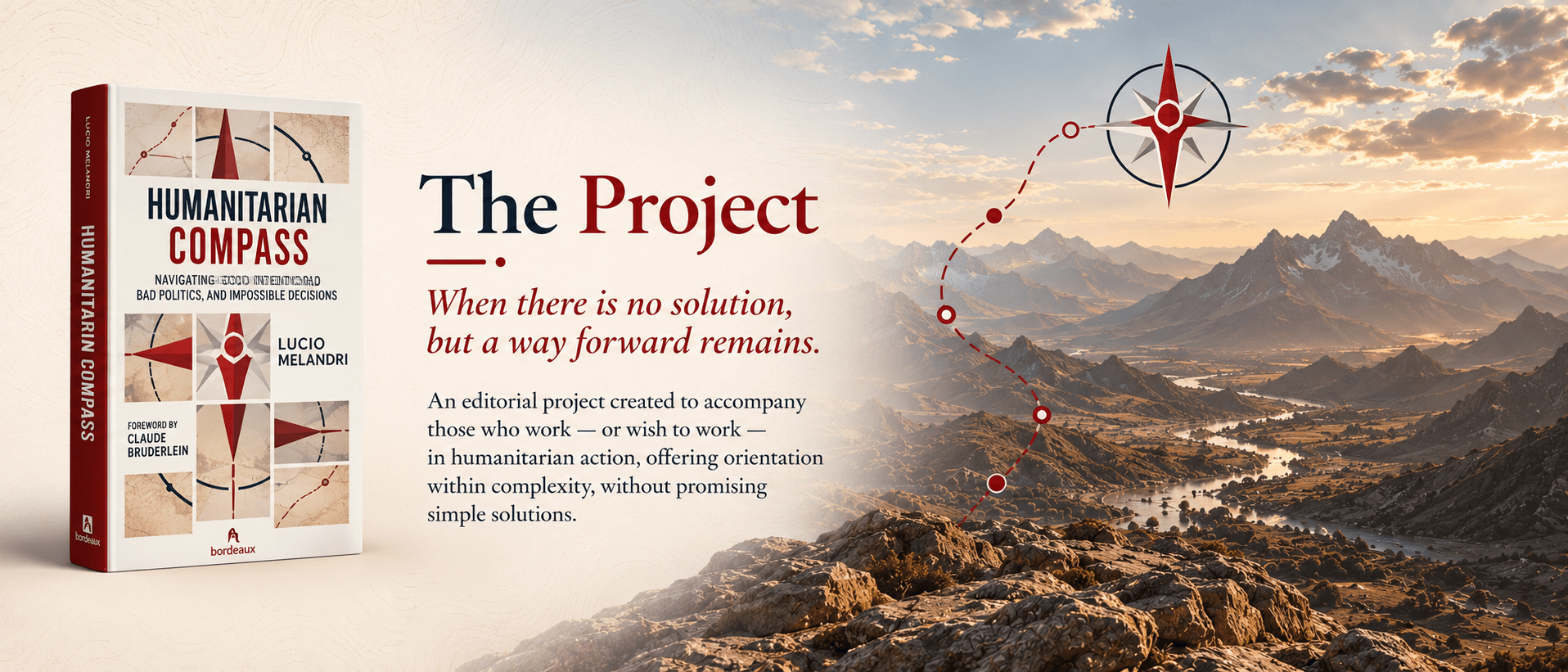
Ten chapters that explore the humanitarian system through principles, power, responsibility, negotiation, protection and decision-making.
The pages accessible via QR codes do not summarise the book.
They extend it.
Each chapter continues with new questions, selected readings and room for reflection.
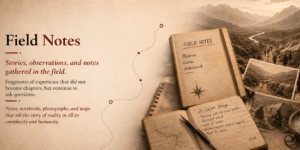
An evolving space where observations, experiences and notes gathered in the field continue
to inform reflection.
An Open Project
Humanitarian Compass does not end with the last page of the book.
The readings are updated.
Field Notes will continue to grow.
New reflections will be added over time.
Because even a compass must keep adapting to a changing landscape.